
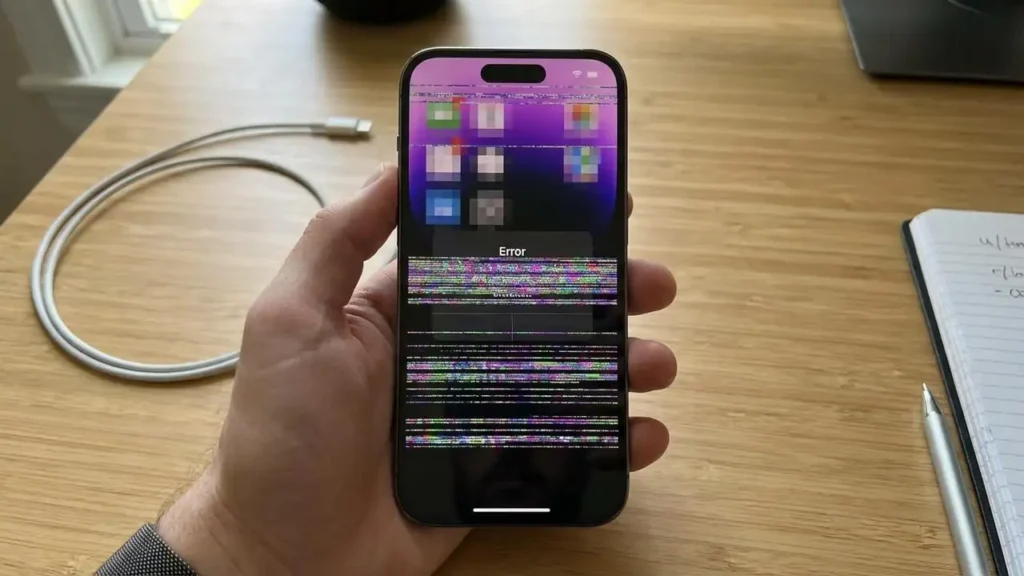
iPhone keeps crashing after iOS 26 update
Resolve app stability challenges after your recent system upgrade.
Experiencing frequent app closures and freezes on your device? If your iPhone keeps crashing after iOS 26 update, specifically version 26.2.1, it signals a conflict between newly optimized system components and existing applications or indicates underlying system data irregularities. The recent operating system update is known to cause significant issues for some users, leading to unexpected application termination.
These stability problems often stem from applications not yet updated to fully support the latest iOS environment, or from cached system data accumulating incorrectly. Addressing these core issues systematically can restore your device’s smooth operation. Your iPhone’s performance depends on clearing these conflicts.
Immediate Stability for Your Device
When your iPhone keeps crashing after iOS 26 update, certain immediate actions can stabilize its performance by clearing temporary glitches and ensuring app compatibility. These steps focus on basic system and application hygiene.
Update All Applications
Application developers frequently release updates to ensure their software functions correctly with new operating system versions. If your iPhone keeps crashing after iOS 26 update, the first action should be to update all installed applications. Navigate to the App Store, tap your profile icon, and select the “Update All” option. This ensures all your apps are running their latest, most compatible versions.
Perform a Forced Device Restart
A forced restart can often resolve minor system anomalies and clear temporary cache data without affecting your personal information. To execute this, quickly press and release the Volume Up button, then quickly press and release the Volume Down button. Immediately after, press and hold the side power button until the Apple logo appears on your screen. This process helps to refresh the system.
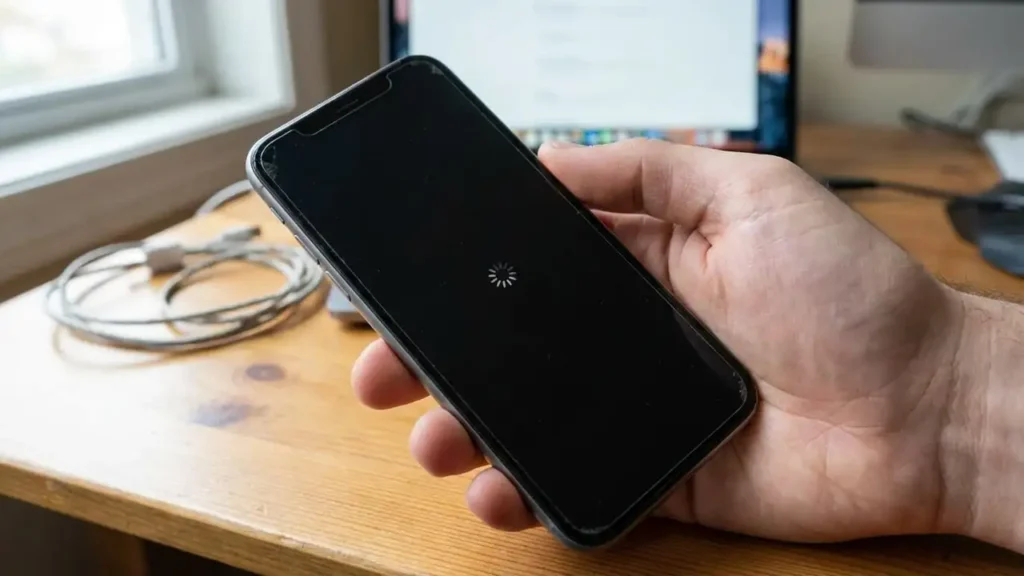
Resolve App-Specific iPhone keeps crashing after iOS 26 update
If only specific applications consistently fail, the issue might be isolated to those particular apps. For an app that frequently crashes, consider a fresh installation. First, delete the problematic application from your device. Next, perform a quick restart of your iPhone using the forced restart method described above. After the restart, download and reinstall the application directly from the App Store.
Optimizing Device Storage
Insufficient storage space on your device can lead to a variety of performance problems, including application instability. When your iPhone keeps crashing after iOS 26 update, verifying adequate free space is a critical diagnostic step.
Verify Available Storage Capacity
Your iPhone requires a certain amount of free space to operate efficiently and manage application data. Check your device’s storage by going to Settings, then General, and selecting iPhone Storage. Ensure there is at least 10 to 15 GB of unoccupied space. If your storage is nearly full, remove unnecessary files, photos, or rarely used applications to free up capacity.
Address Bloated System Data
Sometimes, the “System Data” category in your storage settings can grow excessively large, consuming valuable space and potentially causing performance issues. This data comprises caches, logs, and other temporary files. To help the system manage and rebuild this data, plug your iPhone into power, connect it to a Wi-Fi network, and allow it to remain idle for several hours, ideally overnight. During this time, the operating system can optimize and reduce the size of “System Data.”
Advanced Troubleshooting for Persistent Issues
If your iPhone keeps crashing after iOS 26 update even after performing initial fixes and storage optimization, more comprehensive troubleshooting steps are necessary. These actions delve deeper into system settings and data integrity.
Reset System Settings
Resetting all settings can resolve deeper configuration conflicts that might be causing instability without erasing your personal data or media. This action reverts all system preferences, such as Wi-Fi network settings, home screen layout, and privacy configurations, to their default states. To do this, navigate to Settings, then General, select “Transfer or Reset iPhone,” choose “Reset,” and finally, “Reset All Settings.” You will need to reconfigure some preferences afterward.
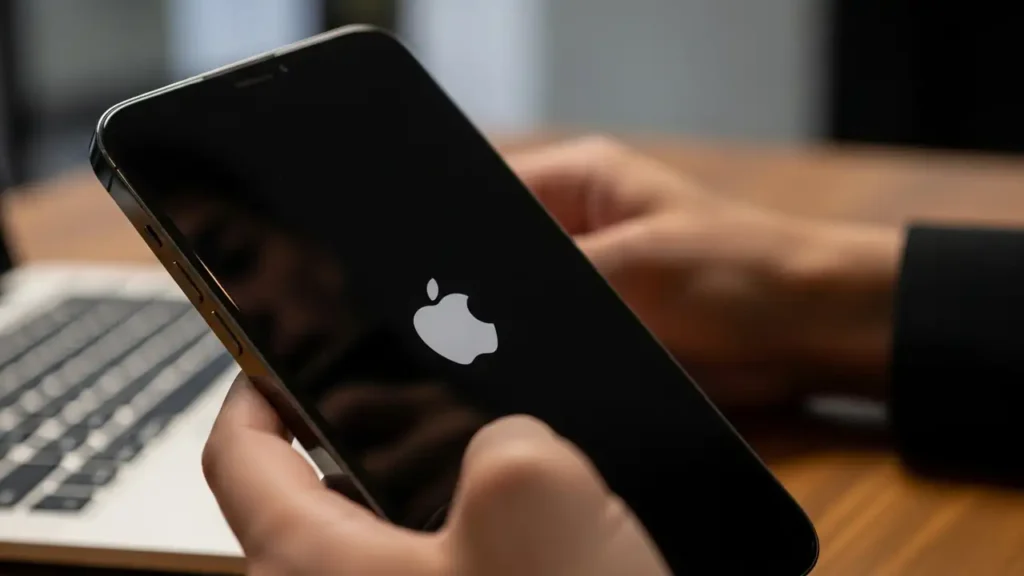
Backup and Full Device Restore
When all other methods fail and your iPhone keeps crashing after iOS 26 update with persistent issues, a complete system restore is the next logical step. This process will completely reinstall the operating system and can fix any potential corruption within the system software. Before proceeding, perform a full backup of your iPhone to a computer using Finder (on macOS) or iTunes (on Windows). Once backed up, initiate a full “Restore” of your device. Afterward, you can restore your data from the backup.
Addressing Persistent OS Flaws
In some cases, the problem might not lie with your applications or corrupted data, but with the iOS version itself. The iOS 26.2.1 update has been identified with significant bugs affecting device stability.
If you have exhausted all troubleshooting options and your device continues to experience application crashes, the root cause may be inherent to iOS 26.2.1. In such a scenario, the most effective solution is to await a subsequent iOS update from Apple. These updates often include bug fixes and performance enhancements that can resolve widespread operating system issues.
Resolving iPhone Crashing After Update
Addressing app instability after a major operating system upgrade like iOS 26.2.1 requires a methodical approach. By systematically updating applications, performing restarts, managing storage, and if necessary, resetting settings or restoring your device, you can significantly improve stability. If your iPhone keeps crashing after iOS 26 update despite these efforts, the issue might be deeper, indicating a need to await further official patches from Apple.